Discover how these little greens can boost your health, brighten your plate, and grow right on your windowsill.

Content of nutraceutical components in chia sprouts
Chia seeds are the main raw material extracted from S. hispanica, but according to current scientific research, compared to seeds, sprouts also have high nutritional value, making them an interesting plant raw material with high potential for use in the agri-food industry.
Chia sprouts are a plant product that is rich in numerous phytochemicals with high health-promoting potential, such as phenolic acids (cinnamic acid, ferulic acid, gallic acid, caffeic acid, protocatechuic acid, p-coumaric acid, p-hydroxybenzoic acid, depsides (rosmarinic acid and chlorogenic acid) and flavonoids (apigenin, kaempferol, quercetin).
Chia sprouts are also a source of carotenoids. Among the cartenoids identified in chia sprouts are carotenes (B-earotene) and xanthophylls (neoxanthin, vielaxanthim, antheraxanthin, lutein and zea-xanthin).
Another advantage of sprout consumption is their high content of GABA, which is a compound with strong anti-inflammatory, anti-diabetic and anti-cancer properties.
An additional benefit of the phytochemical profile of chia sprouts is that they contain low levels of anti-nutritional compounds, which include mainly phytates and oxalates.
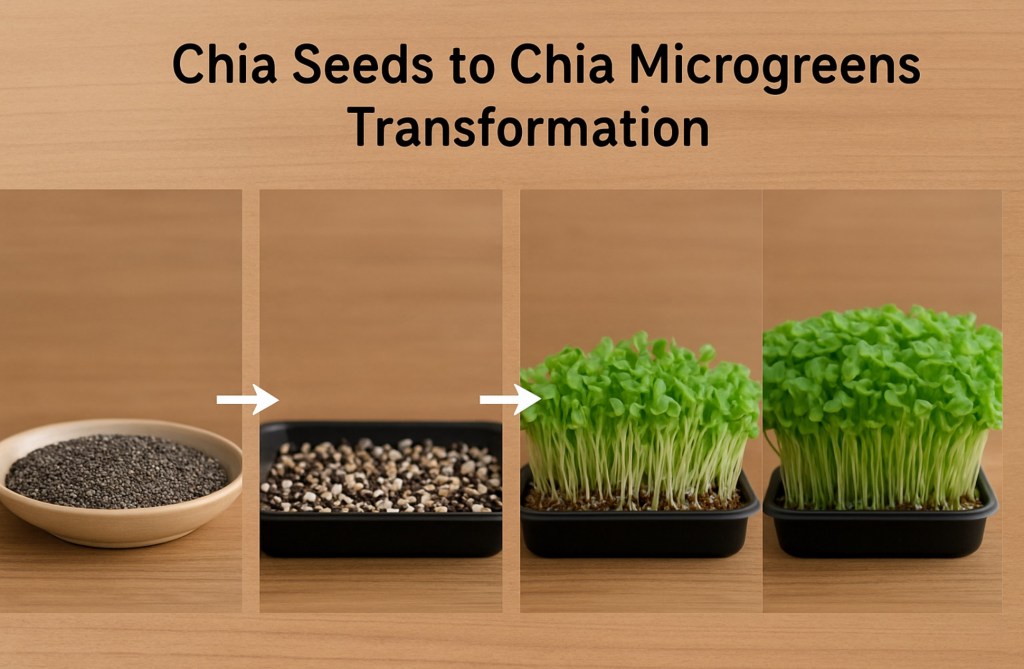
This image beautifully captures the journey of chia seeds transforming into lush microgreens. It all begins with dry seeds, which are then spread on a moist growing surface. With the right care—light, water, and warmth—those tiny seeds begin to sprout in just a couple of days. Within a week, they grow into vibrant, nutrient-packed microgreens ready to harvest. This transformation is not only fascinating to watch, but also a rewarding way to bring fresh, homegrown greens into your meals.
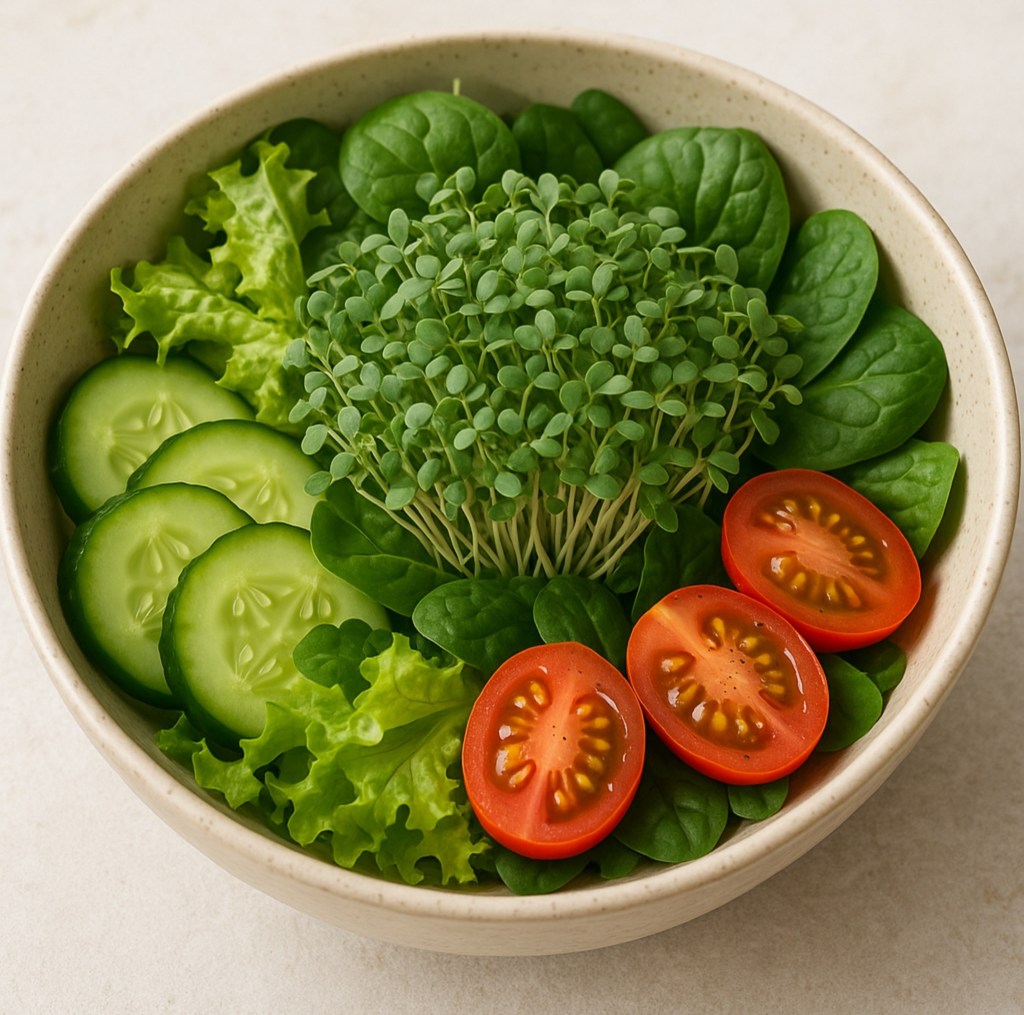
Packed with fiber, antioxidants, and plant-based omega-3s, this chia microgreens salad bowl delivers a powerhouse of nutrients—featuring hydrating cucumber, iron-rich spinach, and vitamin-loaded cherry tomatoes for a clean, energizing meal.
Organ-Specific Benefits of Chia Microgreens: The Science of Superfoods
1. Brain
Benefit: Supports brain health and cognitive function
Rich in omega-3 fatty acids (ALA) – helps improve memory and reduce inflammation
Antioxidants – protect brain cells from oxidative stress.
2. Heart
Benefit: Promotes cardiovascular health
Lowers bad cholesterol (LDL) and increases good cholesterol (HDL) Regulates blood pressure due to potassium and magnesium Omega-3s help reduce the risk of heart disease.
3. Muscles & Bones
Benefit: Enhances strength and repair
High-quality plant protein for muscle repair
Calcium, magnesium, and phosphorus strengthen bones and joints.
4. Nervous System
Benefit: Supports nerve function and balance
B-complex vitamins (like niacin, folate) help in neurotransmitter regulation
Omega-3s aid in nerve cell health and mood regulation.
5. Liver
Benefit: Detoxification support
Antioxidants like chlorophyll and polyphenols assist in flushing toxins
Fiber helps reduce fat buildup and supports bile function.
6. Lungs & Respiratory System
Benefit: Reduces inflammation
Anti-inflammatory compounds may ease breathing in chronic conditions like asthma
Vitamin C and flavonoids strengthen immune defense in respiratory tissues.
7. Digestive System
Benefit: Improves digestion and gut health
High fiber content supports healthy bowel movements
Prebiotic properties help nourish good gut bacteria.
Bonus: Skin, Hair & Immunity
Zinc and antioxidants promote glowing skin
Vitamin E helps protect skin cells from damage
Iron and protein support healthy hair growth
Microgreens’ overall nutrient density boosts immune function.
 Beyond Books